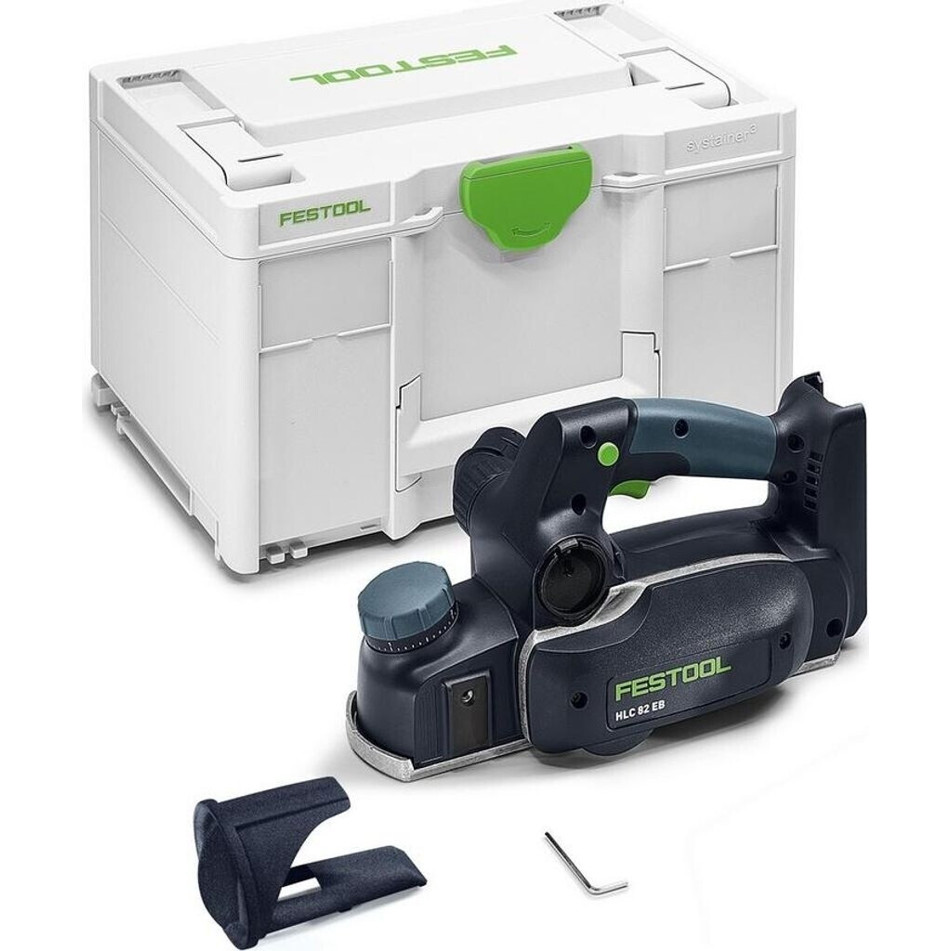
The Ultimate Guide to Thicknessers with Dust Extraction
When it concerns woodworking, accomplishing the best finish needs both skill and the right tools. Among the most necessary makers for any serious woodworker is the thicknesser, likewise understood as a planer. Nevertheless, thicknessers can produce considerable quantities of wood shavings and dust, which can make the workshop environment undesirable and even dangerous. This is where thicknessers with built-in dust extraction systems come into play. In this guide, we will dive deep into the world of thicknessers with dust extraction, covering their functions, benefits, and what to look for when buying one.
What is a Thicknesser?
A thicknesser is a woodworking machine created to smooth and measurement lumber to a particular thickness. It achieves this by feeding the wood through a set of turning blades that remove product from the surface area. Thicknessers can be found in various sizes and capabilities, but what sets dust extraction-equipped models apart is their ability to decrease mess and enhance air quality in the workshop.
Advantages of Using a Thicknesser with Dust Extraction
- Improved Air Quality: A built-in dust extraction system significantly reduces airborne particles, which can be damaging to health.
- Cleaner Workspace: Without shavings and dust covering the flooring and tools, the workshop stays orderly and more pleasant to operate in.
- Enhanced Machine Performance: A cleaner machine typically runs much better, as the accumulation of dust and particles can impact the performance and longevity of the thicknesser.
- User Comfort: Reducing dust direct exposure contributes to a more comfortable workplace, permitting woodworkers to concentrate on their craft.
- Effectiveness: Automated dust extraction frequently operates in tandem with the thicknessing process, conserving time on clean-ups and ensuring a steady workflow.
Key Features to Look For in a Thicknesser with Dust Extraction
When searching for a thicknesser with dust extraction, there are numerous crucial functions to think about. Comprehending these can assist you pick the very best machine for your woodworking requires.
| Feature | Description | Value |
|---|---|---|
| Dust Collection Capacity | The size of the dust bag or bin that gathers shavings. | A bigger capability implies less disturbances for emptying. |
| Extraction Efficiency | The effectiveness of the dust extraction system in gathering dust and shavings. | High efficiency keeps clean air quality and a tidy office. |
| Motor Power | The power of the motor, typically measured in horse power (HP). | Greater power permits smoother operation and can manage denser woods. |
| Feed Rate | The speed at which wood passes through the thicknesser. | Faster feed rates can result in quicker job conclusion however may impact finish quality. |
| Material and Build Quality | The types of materials utilized in building (e.g., cast iron, aluminum). | Durable building ensures longevity and stability throughout operation. |
Top Thicknessers with Dust Extraction on the marketplace
Picking the best thicknesser can be intimidating with many choices offered. Below are some highly-rated designs that provide exceptional dust extraction capabilities:
| Model Name | Motor Power (HP) | Dust Collection Capacity | Price (Approximate) |
|---|---|---|---|
| DeWalt DW734 | 15 | 2.5 Bushels | ₤ 500 |
| Makita 2012NB | 15 | 3 Bushels | ₤ 600 |
| Jet JWP-208HH | 3 HP | 4 Bags (each 2.5 Bushels) | ₤ 1,100 |
| Powermatic PM-15 | 2 HP | 7 Bushels | ₤ 2,200 |
| Bauker Thicknesser | 1.5 HP | 10 Liters | ₤ 300 |
How to Set Up a Thicknesser with Dust Extraction
Setting up a thicknesser with a dust extraction system involves numerous steps to make sure ideal efficiency and security:
- Placement: Position the thicknesser in a well-ventilated area, ideally near a dust extraction system or input ducting.
- Connect Dust Extraction: Ensure the hose pipe is properly attached to both the dust port on the thicknesser and the collection unit.
- Plug in and Test: Before turning on the thicknesser, examine all electrical connections and make sure that no tools or debris are blocking its operation.
- Change Settings: Configure the thickness settings according to the desired product thickness.
- Safety Gear: Always use individual protective devices (PPE) such as security goggles, dust masks, and hearing security.
Regularly Asked Questions (FAQ)
1. Do I need a thicknesser with dust extraction?
While you can utilize a thicknesser without dust extraction, investing in one significantly helps to keep the work area clean and ensures better air quality.
2. How typically should I empty the dust collection bag?
This depends upon your thicknesser's usage. Normally, Hobelmaschine Stationär Preis 's a good idea to empty the dust bag after a substantial session of work, or when you see decreased suction.
3. Can I utilize a thicknesser on hardwood?
Yes, thicknessers can be used on wood. Just make sure that the model you pick has appropriate motor power to manage more difficult materials.
4. Is dust extraction loud?
Dust extraction systems can produce sound, however functions such as sound reduction and better construction can minimize sound levels.
5. How do I keep my thicknesser and dust extraction system?
Routine upkeep consists of cleaning up the dust bag, looking for blockages in the hose, and checking the blades for sharpness and wear.
A thicknesser with a dust extraction system is an important asset for anybody major about woodworking. Not only does it enhance the quality of your work by providing a tidy, smooth surface, but it also contributes considerably to a much safer and more organized workspace. As you look to update or buy your very first thicknesser, think about the important features, benefits, and designs highlighted in this guide to pick the perfect tool for your requirements. Your woodworking jobs will thank you!